A Christmas tree is an inseparable symbol of the festive season, yet the joy it brings is often short-lived: needles begin to fall, branches dry out, and potted trees struggle to recover after the holidays. This usually happens not because of the tree itself, but due to improper care in indoor conditions. By following a few key principles, a Christmas tree can remain attractive throughout the festive period, and a container-grown tree can have a real chance of being successfully planted outdoors afterward.
Even after being cut, a Christmas tree continues to lose moisture actively, so the main goal is to prevent it from drying out for as long as possible.
First of all, it is important to avoid sudden temperature changes. If possible, before bringing the tree indoors, keep it for a few hours in a cooler place such as a balcony or garage. This helps reduce stress and slows needle drop.
The tree should always be placed in a stand filled with water, ensuring that the water level never runs out. Once the trunk dries out, it can no longer absorb water, and the tree begins to dry rapidly. The location also matters greatly — the tree should not be placed near radiators, fireplaces, or other heat sources.
If the indoor air is dry, the branches can be lightly misted with water. This is safe when using modern LED lights, which do not heat up. Misting is best done with the lights switched off, taking care to prevent water from coming into direct contact with electrical connections.
A potted Christmas tree — know what it really is
Not all “potted Christmas trees” are the same. This is especially important to understand if you plan to plant the tree outdoors after the holidays.
Container-grown Christmas trees are trees that have been grown in pots or containers from an early stage. Their root systems are compact, undamaged, and adapted to limited growing space. With proper care during the holidays, these trees have a high chance of successfully establishing once transplanted.
Trees that are dug up and simply placed into pots are usually grown in the ground and excavated shortly before sale, with their roots heavily pruned. Although such trees may appear healthy during the holidays, much of their fine root system is damaged, making it difficult for them to absorb water and nutrients. As a result, their chances of surviving after transplanting are very low.
When choosing a tree, it is worth checking whether it is firmly anchored in the pot, whether the pot size is proportional to the tree’s height, and, if possible, asking the seller whether the tree was truly grown in a container.
A potted Christmas tree is a living plant that needs gentle conditions
If the tree was grown in a pot, caring for it indoors requires special attention.
The most important rule is not to overwater, but also not to let the soil dry out completely. The soil in the pot should remain slightly moist at all times. It is equally important not to keep the tree in a warm indoor environment for too long — ideally, it should stay indoors for no more than 7–10 days.
Old, heat-producing light strings should be avoided. Modern LED lights are a safer choice, as they do not heat up and do not harm the branches. This is particularly important if the tree is intended for planting outdoors later.
What to do with the tree after the holidays
If the tree was grown in a pot and you plan to transplant it, a transitional period after decoration removal is essential. The tree should not be moved directly outdoors if severe frost conditions persist.
The most suitable place is an unheated but frost-protected area such as a garage, storage room, or glazed balcony. The temperature should be close to freezing, while strong negative temperatures should be avoided. During this period, the tree remains in dormancy, and the soil in the pot should not be allowed to dry out.
When should the tree be planted outdoors?
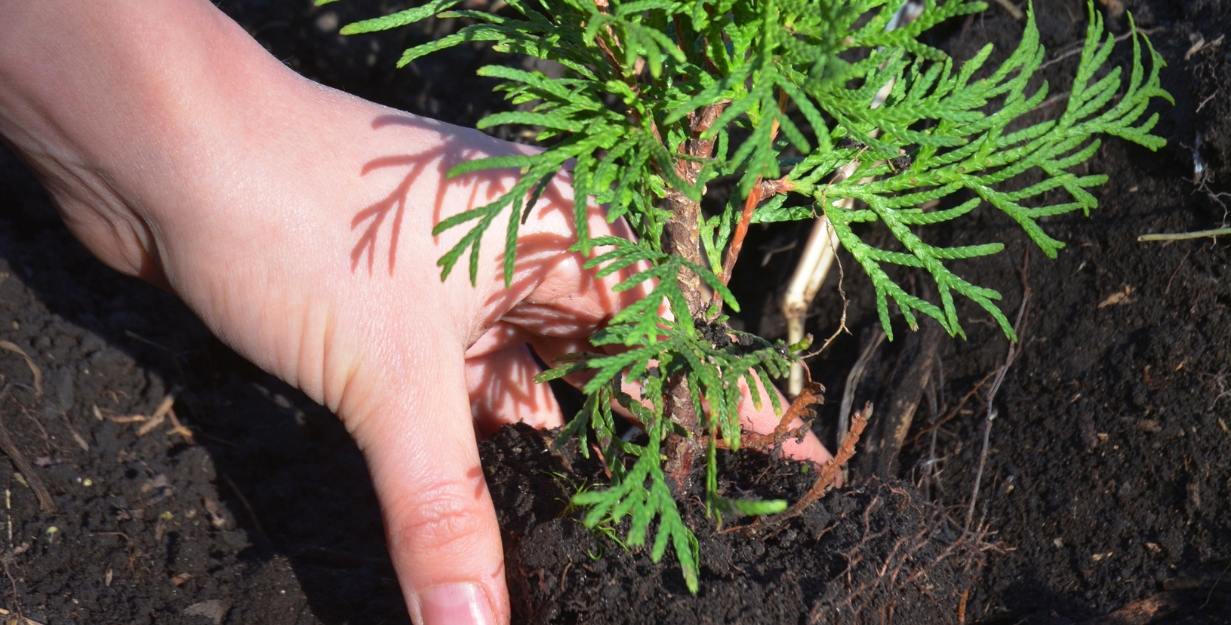
Transplanting should be planned for early spring, when the soil begins to warm and the risk of severe frost has passed. Under Lithuanian climate conditions, this is usually late March or April, although the exact timing depends on specific weather conditions.
It is important to understand that the less stress the tree experiences during the holiday period, the greater the likelihood that it will successfully establish in its new location and become a long-term part of the garden or yard.