At the moment, many regions of Lithuania are experiencing heavy snowfall, which naturally raises a question for gardeners: is snow beneficial for plants, or can it cause harm? Although at first glance snow may seem like an additional concern, in reality it most often becomes a reliable ally for plants during winter.
Why is snow beneficial for plants?
Natural thermal insulation. A layer of snow acts like a protective “blanket,” shielding the soil and plant roots from severe frost and deep freezing.
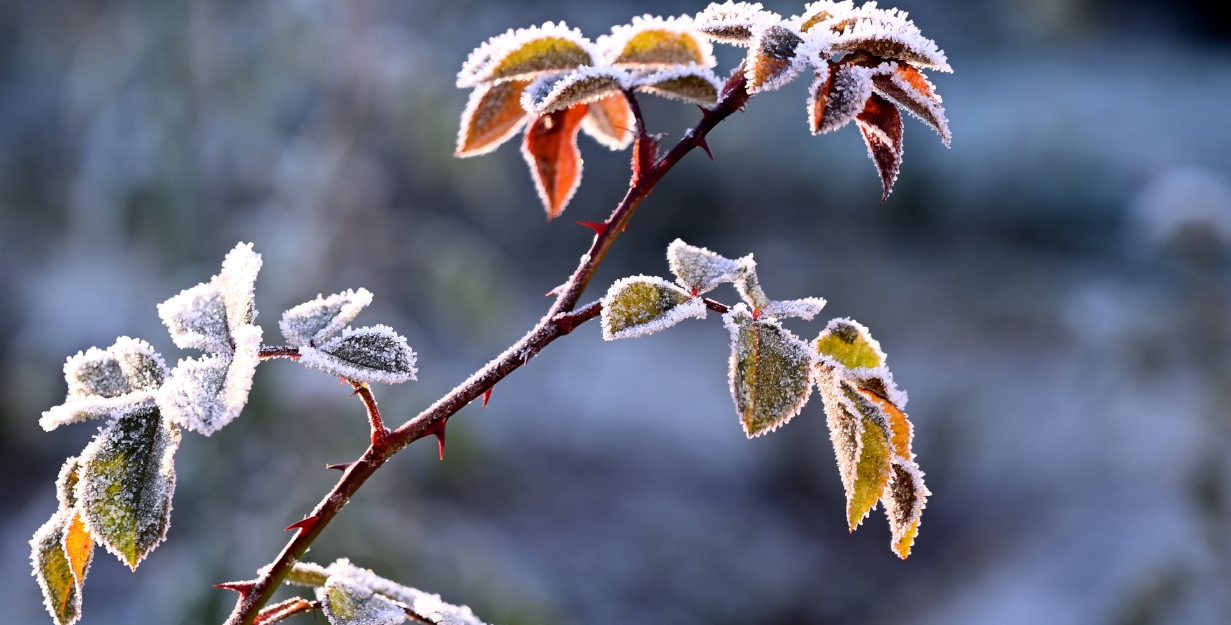
Protection against temperature fluctuations. In winter, not only frost but also sudden thaws followed by returning cold can be dangerous. Snow helps maintain a more stable microclimate, which is especially important for perennial plants.
A moisture reserve for spring. As snow melts in spring, it gradually moistens the soil. This moisture encourages early root activity and helps plants start the growing season more easily.
Maintaining soil vitality. Under a layer of snow, soil microorganisms remain more active. They are essential for soil structure, nutrient cycling, and overall plant nutrition.
When can snow cause problems?
Although snow is usually beneficial, in certain situations it can become a risk factor.
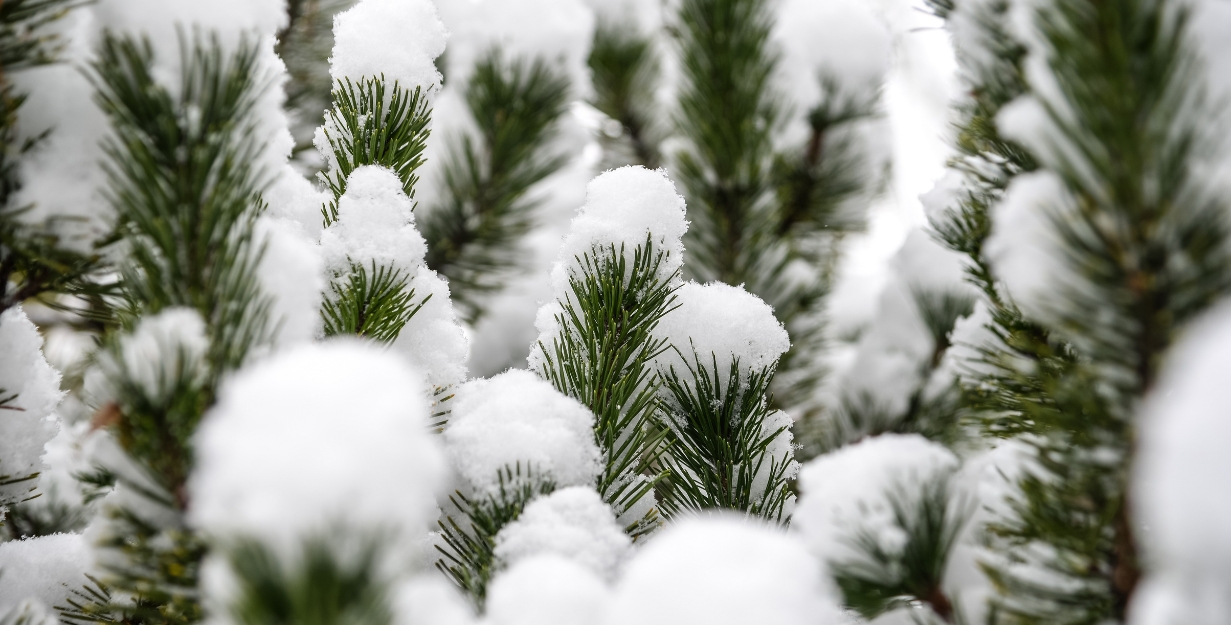
Wet, heavy snow can break the branches of young fruit trees and deform ornamental shrubs or conifers.
Compacted snow around trunks restricts air circulation to the roots and creates favorable conditions for rodents.
What should gardeners do?
Carefully shake heavy snow off branches. Do this gently, moving from the bottom upward to avoid damaging the branches.
Leave loose snow around plants. A light, fluffy snow layer is beneficial, but walking on or compacting snow around plants should be avoided.
Protect fruit tree trunks from rodents. When snowfall is heavy, it is worth checking whether trunks are protected with mesh or special guards.
Additional coverings are usually unnecessary. If plants are already covered with snow, extra protection with agro-fabric is generally not needed—snow is more effective on its own.
Snow is not a problem, but a helper
When assessed properly, snow becomes not a burden but an essential form of winter protection in the garden. Responsible plant care during the cold season helps plants reward gardeners in spring with stronger growth, healthier root systems, and greater resistance to environmental stress.