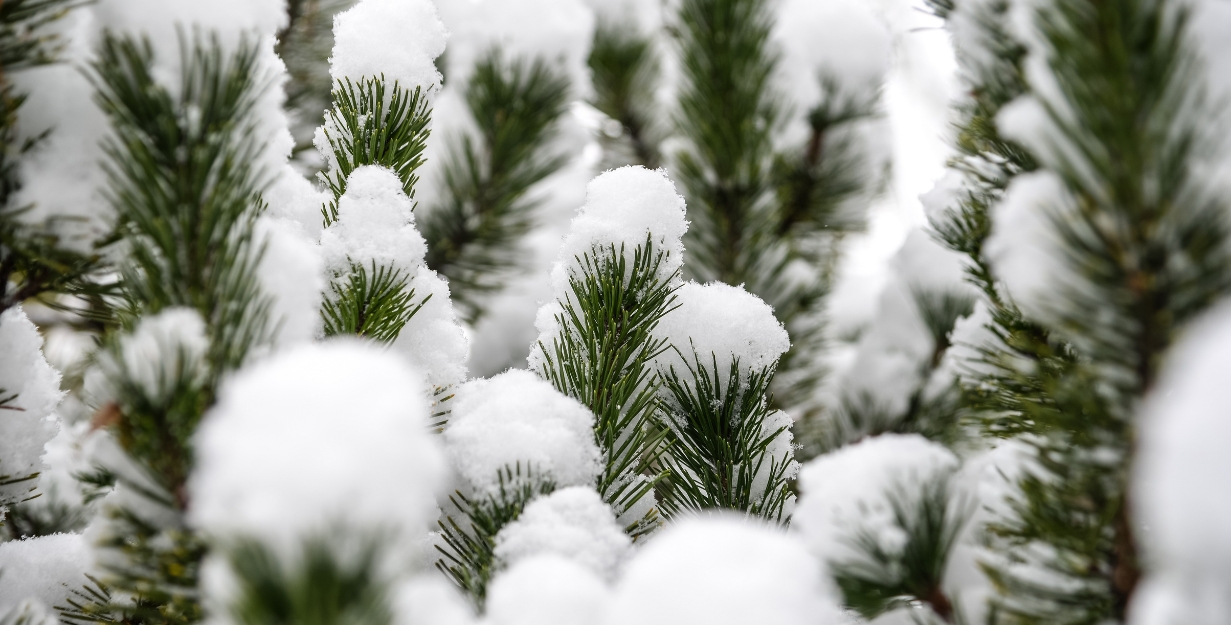
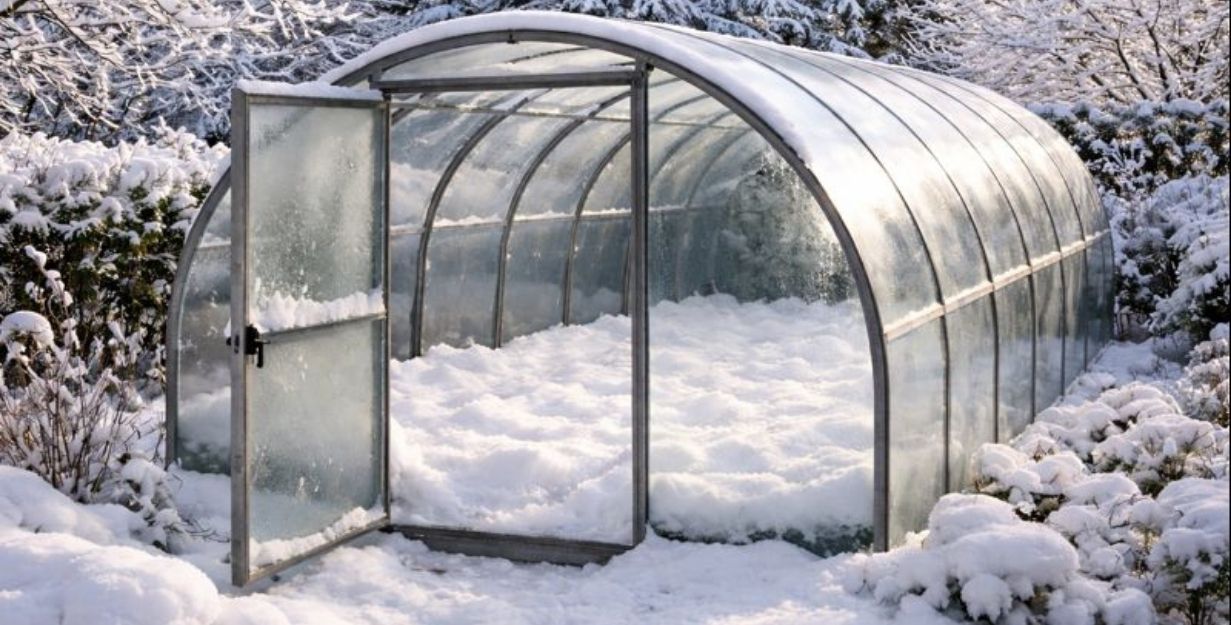
In winter, when snow is abundant and frost persists, some gardeners deliberately bring snow into their greenhouse. At first glance, this may seem like unnecessary work, but the practice has a clear rationale: in winter, greenhouse soil often remains drier and can freeze deeply because it does not receive natural precipitation and temperatures tend to fluctuate.
What are the benefits of snow in a greenhouse?
1) Natural moisture for a spring start
During winter, greenhouse soil often dries out more than soil in open ground. Snow that melts in spring supplies moisture gradually, without sudden saturation. This is especially important if you are planning early sowing or planting, as it helps avoid starting the season with overly dry soil.
2) Milder conditions for the soil during winter
A layer of snow acts as insulation and can help reduce sudden fluctuations in soil temperature. As a result, greenhouse soil tends to remain more stable, which is important not only for soil structure but also for its overall condition.
3) More even “awakening” of the soil in spring
When the soil has sufficient moisture in spring and has not been strongly affected by deep freezing, it is often easier to begin the season. The soil is less compacted, easier to cultivate, and beds are simpler to prepare.
When is it worth bringing snow into the greenhouse?
Snow in the greenhouse is most beneficial when:
-
the soil inside the greenhouse is noticeably dry during winter;
-
prolonged periods of frost are common and the soil tends to freeze deeply;
-
an earlier spring start is planned.
As a practical guideline, a 10–20 cm layer of snow, spread evenly, is usually sufficient. The key factor is not the amount, but ensuring that the snow does not accumulate in one large pile.
What can go wrong? Common mistakes
For this practice to be beneficial, moderation is essential.
-
Too thick a layer of snow. In spring, the soil may remain cold and excessively wet for longer, delaying sowing or planting.
-
Unevenly distributed snow. Excess moisture can build up in some areas, while others remain too dry.
-
Poor ventilation during snowmelt. During thaws, excess humidity can accumulate inside the greenhouse, which is undesirable if you want a quicker and drier start in spring.
-
Dirty snow. Snow from roads, paths, or areas where salt or other contaminants may be present should not be brought into the greenhouse.
What is most important to remember?
Snow in the greenhouse is not a miracle solution, but it can be a simple, natural way to replenish moisture reserves and soften the impact of winter on the soil. Success depends on three key principles: moderation, even distribution, and cleanliness. When done thoughtfully, starting the season in the greenhouse in spring is often easier.